
Know before you go
- Residential leases carry an implied warranty of habitability.
- In buildings with three or more units, heat must reach 68 degrees from 6 a.m. to 11 p.m. between October 1 and May 1.
- Withheld rent should be set aside, because a court may order it paid.
A New Jersey lease contains a promise that is not written anywhere in it. Courts have held that residential leases carry an implied warranty of habitability: the landlord agrees that the home is fit to live in and will be kept that way. That promise and the tenant’s promise to pay rent depend on each other, which is what gives tenants leverage when serious repairs are ignored. It also carries risk, because the remedies only work if the steps are followed.
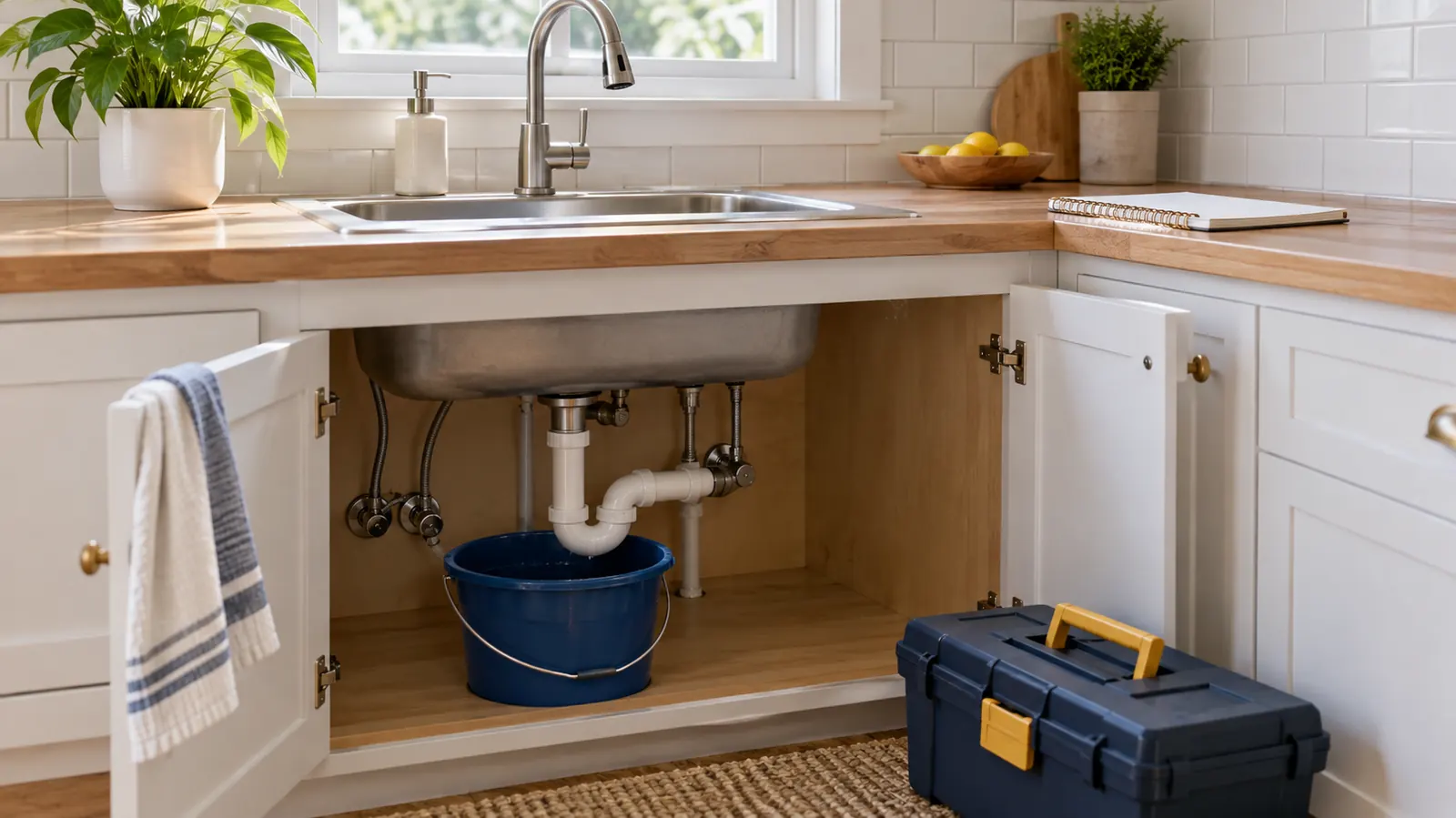
What the landlord has to maintain
For buildings with three or more units, state maintenance rules require the landlord to keep the property in good repair, clean, free of infestation and free of hazards. Basic services include heat, building security, smoke alarms and working plumbing and electrical systems. Smaller buildings that are not owner-occupied fall under local ordinances, enforced by the municipal building or health office.
Several specific requirements come up often:
- Smoke detectors and carbon monoxide alarms, the latter wherever there are fuel-burning appliances or an attached garage.
- Deadbolt-type locks on exterior doors in multiple dwellings.
- Insect screens on doors and openable windows below the sixth floor.
- Window guards, on written request, in units where children 10 or younger live; the charge is capped at $20 per guard.
- A posted notice for reporting deteriorated paint in pre-1978 buildings, with a response due within 30 days, or within a week when a pregnant woman or young child lives there.
The heat rule
In buildings with three or more units, every unit must be able to reach at least 68 degrees from 6 a.m. to 11 p.m., and 65 degrees at other hours, from October 1 to May 1. The landlord supplies the fuel unless the unit has its own separately billed heating equipment and the lease says the tenant pays. Heat complaints can go to the state Bureau of Housing Inspection. When heat fails and the landlord does not act after notice, the local health officer can step in and order repairs on the landlord’s behalf.
Notice comes first
Every remedy below assumes the landlord knew about the problem and had a reasonable chance to fix it. The state guide recommends written notice sent by certified mail with a return receipt. Describe the defect, when it started and what you are asking for. Keep a copy, the receipt and photos.
Tip: Keep a simple log: date, what failed, who you told and how, and what happened next. If the dispute ever reaches court, a dated record is much stronger than memory.
Remedies the courts recognize
These remedies apply to defects in a vital facility, meaning something needed to make the home livable. The state guide’s examples include broken toilets, no hot or cold water, no heat or electricity and broken windows; air conditioning that came with the tenancy can count too. Three conditions apply: the defect is in a vital facility, the tenant did not cause it, and the landlord was notified and given adequate time. A cosmetic problem does not justify any of them.
| Remedy | What it means | Main risk |
|---|---|---|
| Repair and deduct | The tenant pays for the repair and subtracts the cost from future rent. | The landlord may still sue for nonpayment; the tenant must prove the defect, the notice and the need. |
| Rent withholding | The tenant holds back all or part of the rent until repairs are made. | If the court sides with the landlord, the rent usually has to be paid that day to avoid eviction. |
| Rent abatement | A court reduces rent to the fair value of the unit in its defective condition. | Requires a court action and proof of the conditions. |
| Constructive eviction | The tenant moves out because the unit has become unfit to live in. | If the landlord is not found at fault, the tenant may still owe rent. |
| Rent receivership | Rent is paid to a court-appointed administrator who uses it for repairs. | Requires a court petition, by tenants or the municipal officer. |
The guide is blunt about one point: anyone who withholds rent should save it, ideally in a separate bank account. When a landlord files for nonpayment and the tenant raises habitability as a defense, the court will very likely require the full rent to be deposited. Tenants who spent the money risk losing a case they could have won.
Who to call about code violations
For buildings with three or more units, the Bureau of Housing Inspection in the Department of Community Affairs takes complaints and inspects on a schedule tied to the building’s violation history. For one- and two-unit rentals, the municipal code enforcement or health office is the place to start.
Protection from retaliation
State law bars a landlord from evicting a tenant, substantially changing the lease or refusing to renew it because the tenant made a good-faith complaint to a government agency about a health or safety violation. The tenant must have notified the landlord in writing first and given reasonable time to fix the problem. The same protection covers tenants who join a tenant organization or try to enforce their lease rights. Eviction rules are covered in How Eviction Works in New Jersey: Good Cause, Notices, Court and the Warrant for Removal.
When the utilities are in the landlord’s name
If a landlord who pays the utilities falls behind and service is threatened, a tenant who uses part of the rent to keep electric, gas, water or sewer service on cannot be evicted for that unpaid portion. The money counts as rent paid. More on shutoff rules is in Utility Shutoff Protections in New Jersey: Notice Rules, the Winter Termination Program and Help Paying.